When most people think of laser hair removal, they immediately associate it with aesthetics—smooth, hair-free skin. While this is certainly true, laser hair removal technology has applications that go far beyond cosmetic purposes. Many individuals are unaware that the same treatments designed to reduce unwanted hair can also help manage a variety of medical skin conditions. In this article, we will explore the science behind laser hair removal and highlight the medical issues it can help address, improving both health and quality of life
How Laser Hair Removal Works
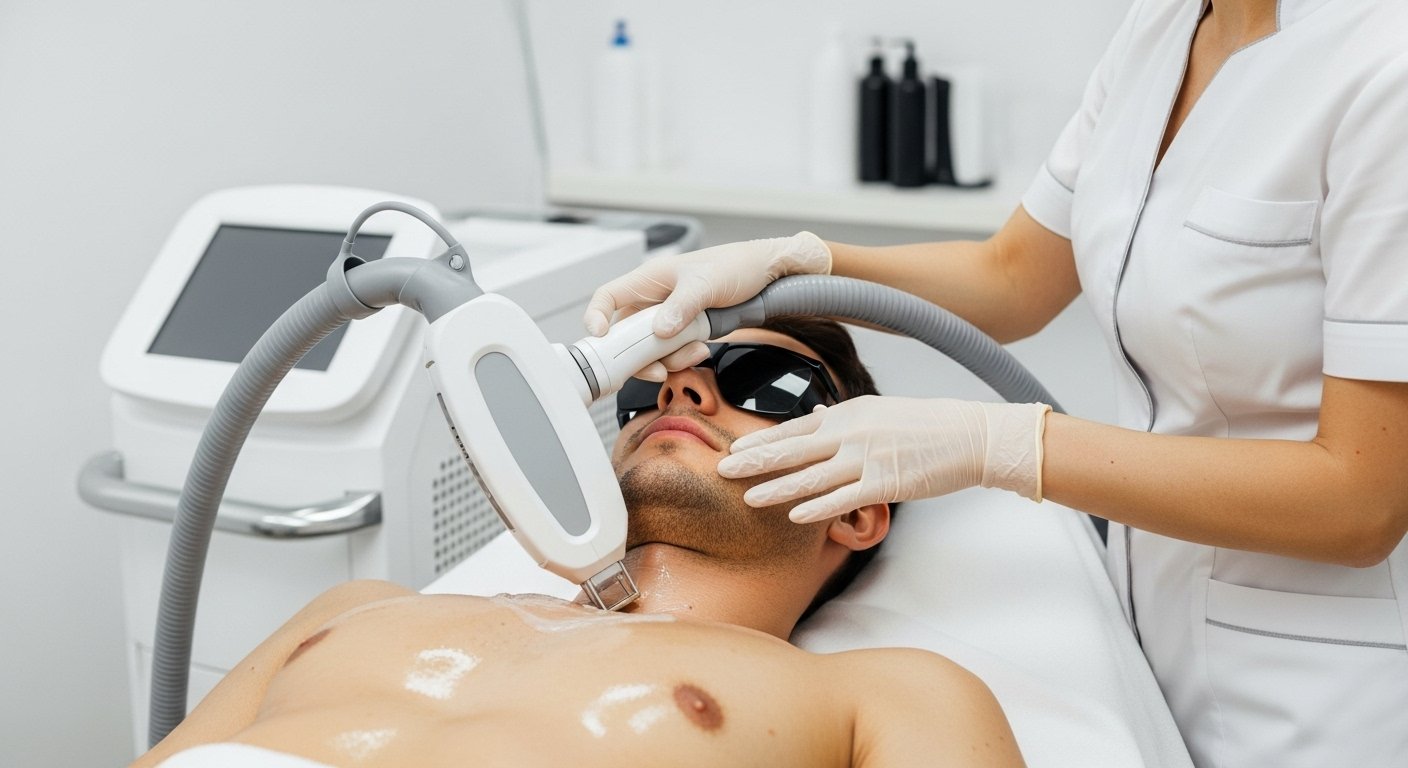
Laser hair removal uses highly concentrated light energy to target the pigment in hair follicles. The laser energy is absorbed by the melanin in the hair shaft and follicle, which heats the follicle and inhibits or delays future hair growth. Importantly, the surrounding skin remains unharmed when the procedure is performed correctly.
Because the laser targets the follicle directly, this same mechanism can be used in ways that benefit certain medical skin conditions, particularly those associated with abnormal hair growth or irritation caused by hair.
Medical Conditions That Benefit from Laser Hair Removal
While traditionally marketed for cosmetic hair removal, lasers are increasingly being used to treat conditions where hair growth causes discomfort, infection, or inflammation. Some of the main medical conditions include:
1. Hirsutism
Hirsutism refers to excessive hair growth in women, often in areas typically associated with male hair patterns (face, chest, back). It is usually caused by hormonal imbalances, such as polycystic ovary syndrome (PCOS).
How laser helps:
- Reduces the growth of unwanted hair permanently or semi-permanently.
- Helps improve self-esteem and reduces psychological distress associated with excessive hair.
- Minimizes skin irritation from frequent shaving or waxing, which can lead to folliculitis.
Laser treatment is especially beneficial for women with hormone-related hair growth, as it provides a long-term solution that shaving or waxing cannot achieve safely.
2. Folliculitis
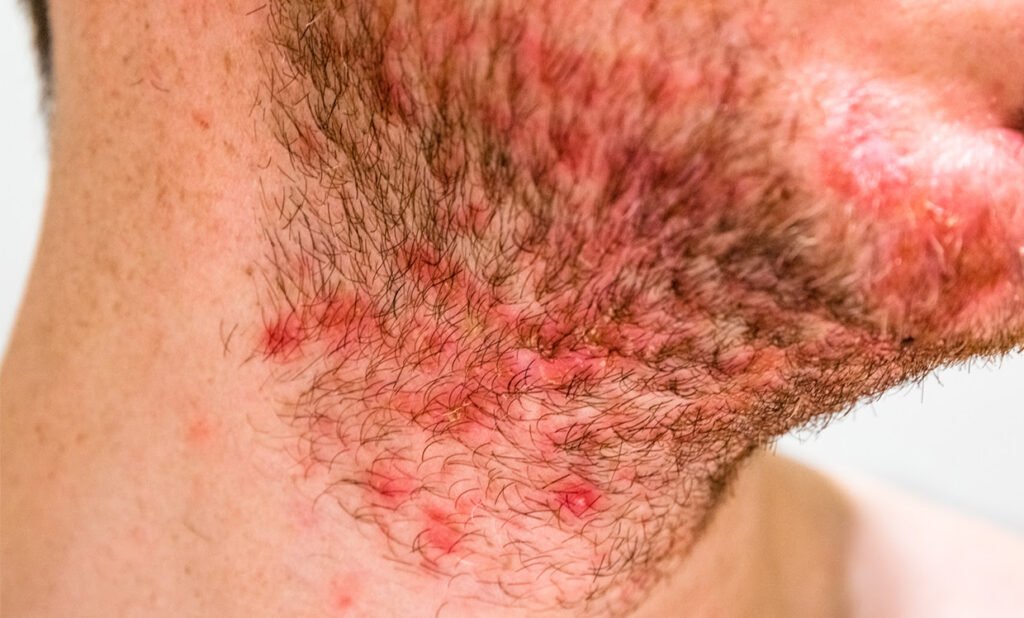
Folliculitis is the inflammation of hair follicles, often caused by bacterial or fungal infections. Shaving, waxing, or other hair removal methods can aggravate this condition, leading to painful, itchy bumps.
How laser helps:
- Targets and reduces hair growth in affected areas, lowering the risk of follicle inflammation.
- Reduces the need for shaving, which is a common trigger for folliculitis.
- Helps manage chronic cases that do not respond well to antibiotics or topical treatments.
By decreasing hair density, laser treatment reduces friction and bacterial colonization in the follicles, promoting healthier skin.
3. Pseudofolliculitis Barbae (Razor Bumps)
Pseudofolliculitis barbae occurs when shaved hair curls back into the skin, causing inflammation, bumps, and even scarring. It is especially common in men with coarse, curly hair.
How laser helps:
- Reduces hair growth, particularly coarse hair that tends to cause razor bumps.
- Minimizes irritation and prevents scarring associated with repeated shaving.
- Provides a long-term solution without the need for constant topical treatments or medicated creams.
Laser hair removal is often the most effective treatment for individuals suffering from chronic pseudofolliculitis.
4. Ingrown Hairs
Ingrown hairs occur when hair grows back into the skin, leading to bumps, inflammation, and sometimes infection. Like folliculitis and pseudofolliculitis, they are often triggered by shaving or waxing.
How laser helps:
- Reduces overall hair density, making it less likely for hairs to grow back into the skin.
- Smoothens the skin and reduces irritation from repeated shaving.
- Can prevent recurring infections and discomfort associated with ingrown hairs.
Laser treatments are particularly effective in areas prone to ingrown hairs, such as the bikini line, underarms, and face.
5. Hidradenitis Suppurativa (HS)
Hidradenitis suppurativa is a chronic inflammatory skin condition that affects areas with apocrine sweat glands, such as the underarms, groin, and buttocks. It causes painful lumps, abscesses, and scarring. Hair can exacerbate HS by contributing to follicular blockage.
How laser helps:
- Reduces hair in affected areas, which lowers follicular obstruction and irritation.
- Decreases friction and bacterial load that can trigger flare-ups.
- Can be used as part of a comprehensive treatment plan alongside medication and lifestyle modifications.
Laser hair removal is increasingly recommended by dermatologists as a complementary therapy for managing HS.
6. Hypertrichosis
Hypertrichosis is abnormal excessive hair growth anywhere on the body. While less common than hirsutism, it can occur in both men and women and may be congenital or acquired.
How laser helps:
- Provides a safe and effective method to manage excessive hair growth.
- Improves comfort and self-confidence, particularly in socially sensitive areas.
- Reduces dependence on temporary hair removal methods that can irritate the skin.
7. Prevention of Skin Complications from Hair
Even in the absence of a diagnosed condition, chronic irritation caused by hair can contribute to:
- Hyperpigmentation from shaving or waxing
- Skin infections in sensitive areas
- Friction-related rashes or dermatitis
Laser hair removal can act preventively by minimizing hair and friction, keeping the skin healthier over time.
Why Laser Hair Removal is Safe for Medical Use
Medical-grade laser devices are designed with precise settings for different skin types and hair colors, ensuring safety and minimizing the risk of burns or pigmentation changes. Unlike shaving or waxing, laser energy:
- Targets only the hair follicle, leaving surrounding skin intact
- Reduces irritation and inflammation
- Provides long-lasting results
Because of its safety profile, laser hair removal can be recommended for individuals dealing with sensitive or compromised skin, when performed by trained professionals.
Who Can Benefit from Laser Hair Removal for Medical Reasons?
- Women with hormone-related hair growth (hirsutism)
- Individuals with chronic folliculitis or ingrown hairs
- Men with pseudofolliculitis barbae
- Patients with hidradenitis suppurativa
- Anyone seeking preventive skin care in areas prone to irritation
Conclusion
Laser hair removal is more than a cosmetic procedure—it is a powerful medical tool for managing hair-related skin conditions. From reducing folliculitis and ingrown hairs to helping patients with hirsutism or hidradenitis suppurativa, the technology provides lasting relief and improves both skin health and quality of life.
By targeting the hair follicle without damaging surrounding skin, laser treatments offer a safe, effective, and long-term solution for individuals dealing with both cosmetic and medical concerns. As awareness grows, more patients and practitioners are recognizing that aesthetic lasers are not just about beauty—they are about health, wellness, and improved confidence.