Laser hair removal is one of the most popular cosmetic procedures worldwide, known for providing smooth, long-lasting results. Despite its growing popularity, many myths and misconceptions continue to circulate about the procedure. These misunderstandings can prevent people from benefiting from a safe, effective, and medically-backed technology. In this article, we’ll address the most common myths about laser hair removal, explain the science behind it, and clarify who can safely benefit from this treatment.
Myth 1: Laser Hair Removal Is Only for Cosmetic Purposes
Many people assume that laser hair removal is purely aesthetic, designed to help individuals achieve smooth, hair-free skin. While it is undeniably popular for beauty purposes, laser hair removal has important medical applications.
Medical Benefits Include:
- Hirsutism management: Reduces excessive hair growth caused by hormonal imbalances.
- Folliculitis and pseudofolliculitis barbae: Minimizes inflammation and painful bumps caused by shaving or ingrown hairs.
- Hidradenitis suppurativa support: Reduces hair in affected areas, lowering irritation and infection risks.
- Prevention of skin complications: Minimizes friction, irritation, and hyperpigmentation caused by constant shaving or waxing.
By targeting the hair follicle while sparing surrounding skin, laser hair removal addresses both cosmetic and medical concerns, making it a versatile dermatological tool.
Myth 2: Laser Hair Removal Works Instantly
Some people believe that a single session of laser hair removal will permanently eliminate all hair in the treated area. In reality, multiple sessions are required to achieve optimal results.
Why Multiple Sessions Are Needed:
- Hair grows in cycles: only hairs in the active growth phase (anagen) respond to the laser.
- Different areas of the body may have hairs in different growth stages.
- Thicker or darker hairs often require fewer sessions, while lighter or finer hairs may need more treatments.
Typically, 6–10 sessions are recommended for most areas, with maintenance treatments for some patients. The process is gradual but safe, effective, and results in long-lasting hair reduction.
Myth 3: Laser Hair Removal Is Painful
Another common misconception is that laser hair removal is extremely painful. While some individuals experience mild discomfort, modern machines and techniques make treatments much more comfortable than in the past.
Factors Affecting Comfort:
- Cooling systems built into modern lasers protect the skin and reduce discomfort.
- Skin type and hair thickness influence sensation; coarser hairs may feel slightly more sensitive.
- Trained professionals adjust the energy settings according to each individual, maximizing comfort.
Most clients describe the sensation as a slight snapping or warm tingling, far less painful than waxing or plucking.
Myth 4: Laser Hair Removal Doesn’t Work on Light or Blonde Hair
It’s true that laser hair removal is most effective on dark, pigmented hairs because the laser targets melanin. However, advances in technology have made it possible to treat lighter hair types as well.
How Modern Lasers Address This:
- Machines with longer wavelengths can target hair with less pigment.
- Some systems combine different technologies to improve effectiveness on fine, blonde, or grey hairs.
While results may vary, trained professionals can optimize settings to achieve noticeable reduction even in lighter hair.
Myth 5: Laser Hair Removal Causes Skin Damage or Scarring
Many people worry that laser treatments will harm the skin or leave scars. This fear is largely based on outdated equipment or improper technique.
Why Laser Hair Removal Is Safe:
- Modern lasers precisely target hair follicles, sparing surrounding skin.
- Professional treatments include calibrated energy settings for different skin types.
- Protective measures such as eye shields and cooling systems prevent injury.
When performed by a trained and certified professional, laser hair removal has a very low risk of adverse effects and does not cause long-term scarring.
Myth 6: You Can Skip Training and Use Any Machine Safely
Some people believe that using a laser machine is simple enough that anyone can operate it. In reality, extensive training is essential to ensure safety, effectiveness, and optimal results.
What Training Includes:
- Understanding skin types and hair types
- Knowledge of laser physics and energy settings
- Learning contraindications and safety precautions
- Hands-on practice for proper technique and preventive maintenance
Untrained use of laser machines can result in burns, pigmentation changes, ineffective treatments, or injury. Education and certification are critical for safe, high-quality outcomes.
Myth 7: Laser Hair Removal Is Only for Women
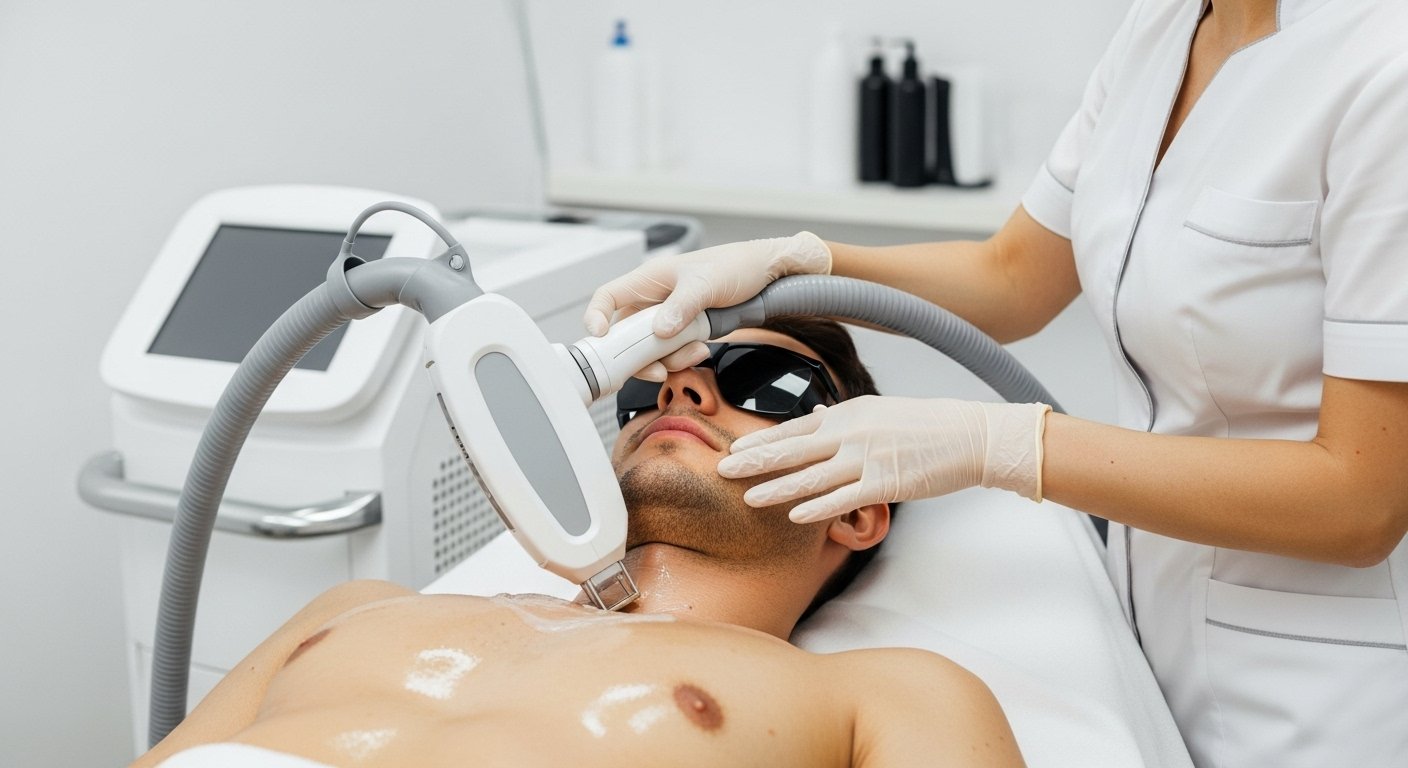
Although laser hair removal is often marketed to women, men can benefit just as much. Male patients frequently seek treatment for:
- Facial hair issues, such as pseudofolliculitis barbae
- Back, chest, and shoulder hair reduction
- Improving skin health in areas prone to irritation
Modern laser technology is safe and effective for both men and women across all skin types and hair patterns.
Myth 8: Laser Hair Removal Is Expensive and Not Worth It
While the upfront cost may seem high compared to shaving or waxing, laser hair removal is cost-effective in the long run:
- Permanent or long-lasting results reduce the need for ongoing hair removal products.
- Fewer ingrown hairs and less irritation reduce medical costs related to skin complications.
- Less time spent on shaving, waxing, or other temporary methods improves convenience and quality of life.
In essence, laser hair removal is an investment in both comfort and skin health.
Conclusion
Laser hair removal is a safe, effective, and versatile technology that goes far beyond cosmetic hair reduction. By addressing medical conditions such as hirsutism, folliculitis, pseudofolliculitis, and even hidradenitis suppurativa, it improves both skin health and quality of life.
Understanding the science behind laser treatments helps debunk common myths:
- It is not only cosmetic.
- Multiple sessions are necessary for best results.
- Modern machines are safe and minimally uncomfortable.
- It works for most hair types and both men and women.
- Proper training ensures maximum safety and effectiveness.
By separating fact from fiction, patients can make informed decisions about laser hair removal and experience all the benefits it offers, both medical and aesthetic.