When it comes to advanced laser treatments, particularly for pigmentation, tattoos, and certain skin lesions, choosing the right laser technology is crucial. Two of the most common and effective types are Q-Switched lasers and Picosecond lasers. While they may sound similar, they differ in how they deliver energy, their effectiveness on different conditions, and the number of sessions required. In this article, we will explore how each type works, their applications, and which one may be the best choice depending on your skin and treatment goals.
How Laser Technology Works: The Basics
Both Q-Switched and Picosecond lasers rely on highly concentrated pulses of light to target pigment in the skin or tattoo ink. The light energy is absorbed by melanin (in natural pigment) or tattoo particles, breaking them down so that the body’s immune system can gradually remove them.
The main difference lies in pulse duration—how quickly the energy is delivered:
- Q-Switched Lasers: Deliver energy in nanoseconds (one billionth of a second).
- Picosecond Lasers: Deliver energy in picoseconds (one trillionth of a second).
This difference in speed affects how the energy interacts with pigment, which in turn affects results, safety, and recovery.
Q-Switched Lasers: How They Work
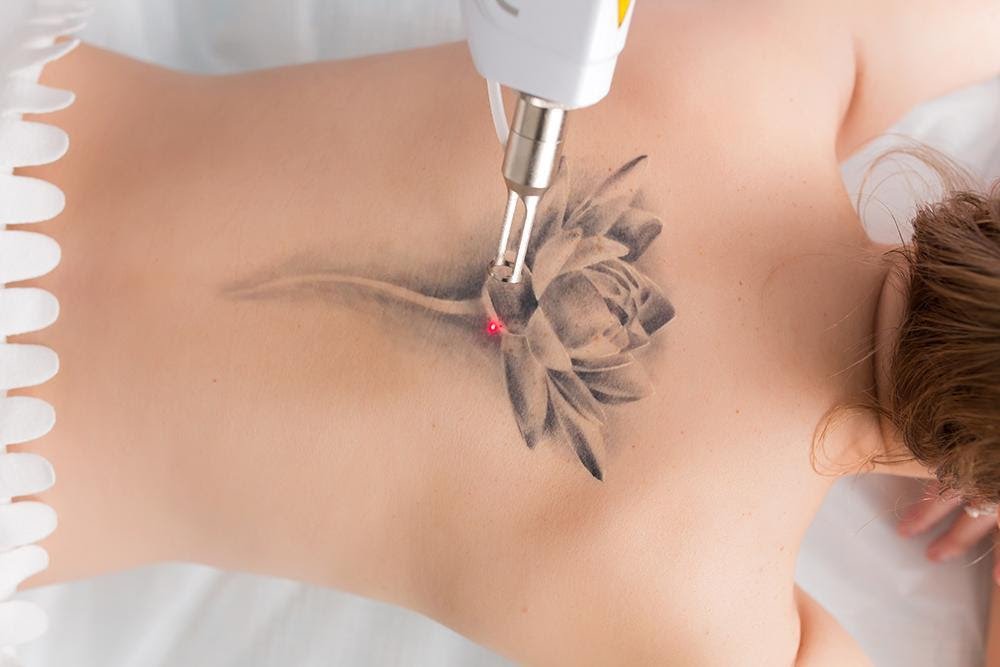
Q-Switched lasers were the standard for tattoo removal and pigmentation treatments for many years. They produce very short, high-energy pulses that target pigment particles, causing them to shatter into smaller fragments that the body can remove naturally.
Applications of Q-Switched Lasers
- Tattoo removal – especially older, darker tattoos
- Sun spots, age spots, and freckles
- Certain pigmented lesions (e.g., café-au-lait spots)
Advantages of Q-Switched Lasers
- Proven track record with decades of clinical use
- Effective for most tattoo inks and skin pigment types
- Minimal damage to surrounding skin when properly applied
Limitations
- May require more sessions for certain tattoos or stubborn pigment
- Slightly higher risk of hyperpigmentation or hypopigmentation, particularly on darker skin tones
- Less effective on very resistant or multicolored tattoos compared to Picosecond lasers
Picosecond Lasers: How They Work
Picosecond lasers are the next generation of pigment-targeting technology. By delivering energy in trillionths of a second, the laser pulse is faster and more powerful than Q-Switched systems. This allows for a photoacoustic effect, breaking pigment into smaller particles without generating as much heat, reducing damage to surrounding tissue.
Applications of Picosecond Lasers
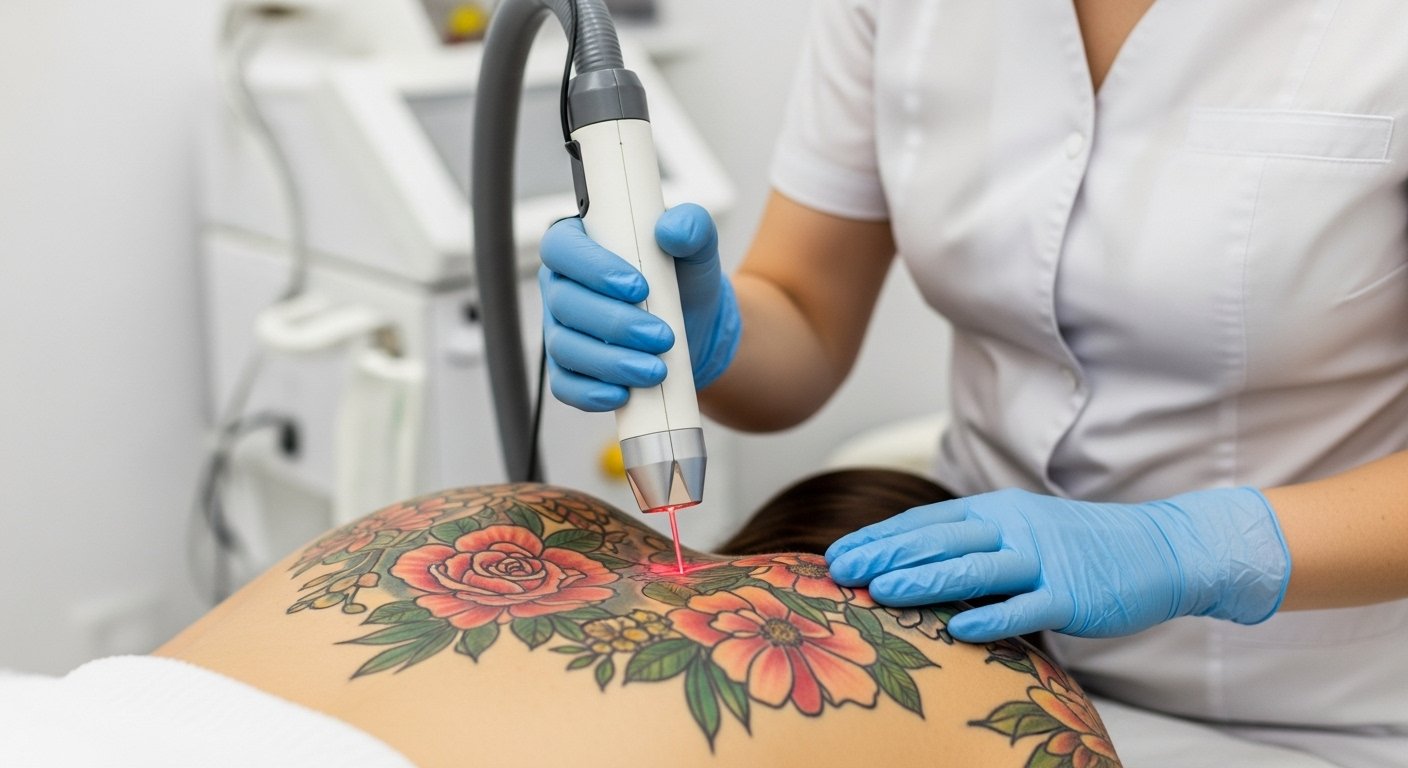
- Tattoo removal – especially colorful or difficult tattoos
- Pigmentation treatments – melasma, sun spots, freckles
- Skin rejuvenation – fine lines, acne scars, and uneven texture
Advantages of Picosecond Lasers
- Fewer treatment sessions required due to faster, more efficient pigment breakdown
- Lower risk of skin damage and side effects
- Effective on a wider range of tattoo colors
- Can improve skin texture and clarity in addition to pigment removal
Limitations
- Higher cost due to advanced technology
- May not be necessary for simple or small pigment issues
Comparing Q-Switched vs. Picosecond Lasers
| Feature | Q-Switched Laser | Picosecond Laser |
| Pulse Duration | Nanoseconds | Picoseconds |
| Tattoo Effectiveness | Good on older, darker tattoos | Excellent on multicolor and stubborn tattoos |
| Pigmentation Treatment | Effective, may require more sessions | Highly effective, fewer sessions |
| Risk of Skin Damage | Slightly higher | Lower |
| Skin Rejuvenation | Limited | Can improve texture and tone |
| Average Number of Sessions | 6–10+ | 3–6 |
Which Laser Should You Choose?
The right laser depends on multiple factors:
- Type of Pigment or Tattoo – Bright, multicolor tattoos respond better to Picosecond lasers. Darker, older tattoos can often be treated with Q-Switched lasers.
- Skin Type – Picosecond lasers are generally safer for darker skin tones due to less heat generation.
- Desired Results – If you want additional skin rejuvenation benefits (texture improvement, fine lines, acne scars), Picosecond lasers may offer more advantages.
- Budget and Sessions – Q-Switched lasers may require more sessions, while Picosecond treatments often achieve results faster but with higher upfront cost.
A professional consultation with a trained clinician is essential to determine the best laser type, settings, and treatment plan for your individual needs.
Safety Considerations
Both Q-Switched and Picosecond lasers are safe when performed by licensed professionals. Key safety considerations include:
- Proper machine calibration to match skin type and pigmentation
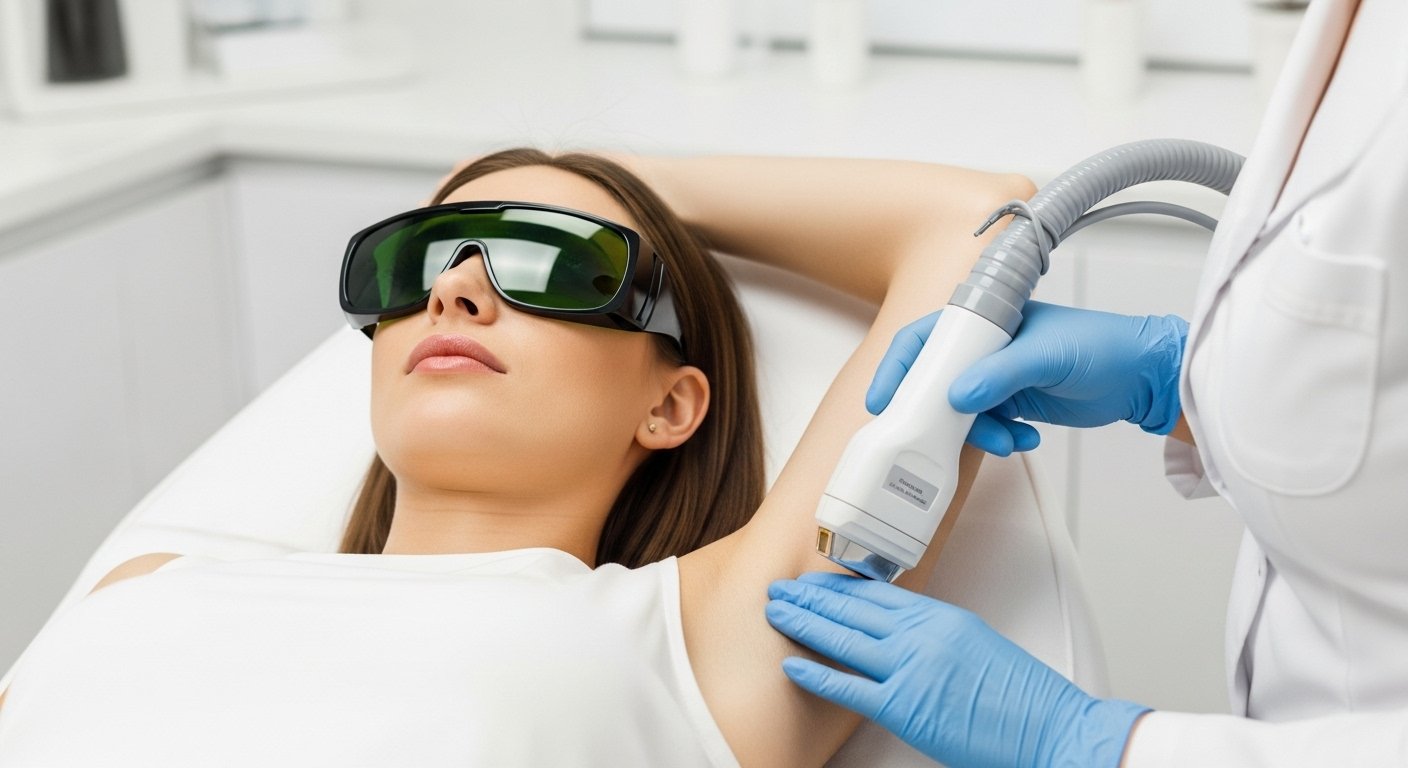
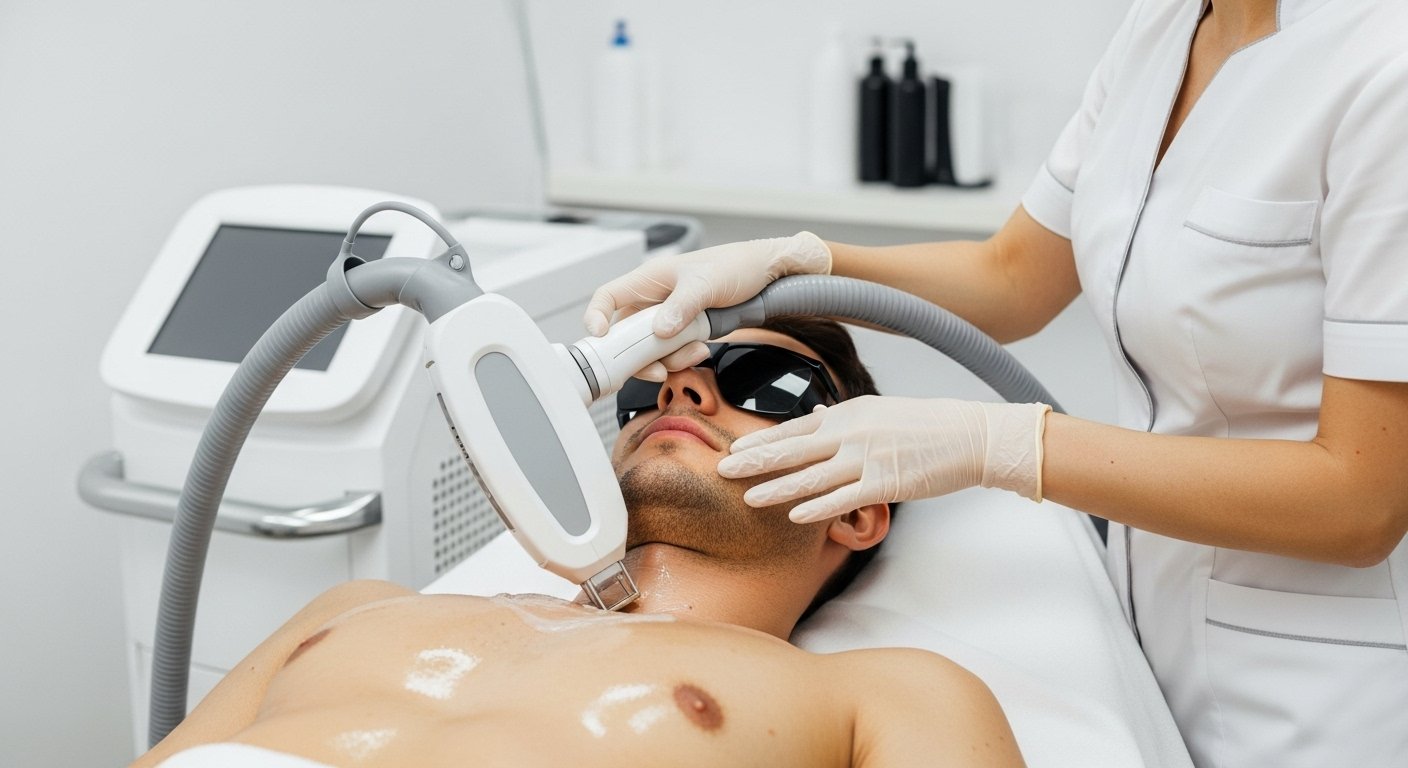
- Eye protection during treatment
- Avoiding sun exposure before and after sessions
- Following post-treatment care to prevent infection or pigmentation changes
Laser treatments should never be performed without proper training, as incorrect use can result in burns, scarring, or ineffective results.
Beyond Tattoo and Pigment Removal: Additional Benefits
While both lasers are primarily used for pigment removal, Picosecond technology has additional advantages:
- Can improve skin texture and pore size
- Helps with fine lines and mild scarring
- Enhances overall skin clarity
This means that some patients may experience aesthetic skin rejuvenation even as their tattoo or pigmentation is being removed.
Conclusion
Q-Switched and Picosecond lasers are both powerful tools in the realm of medical and aesthetic dermatology.
- Q-Switched lasers offer a proven solution for most pigmentation and tattoo concerns, particularly older or single-color tattoos.
- Picosecond lasers provide faster, more precise treatments with fewer sessions, added skin benefits, and better outcomes for multicolored tattoos and darker skin types.
Ultimately, the choice between the two depends on the type of pigmentation or tattoo, skin type, treatment goals, and professional advice. Both technologies demonstrate how advanced laser systems can deliver safe, effective, and lasting results—not only for aesthetics but also for improving skin health and quality of life.